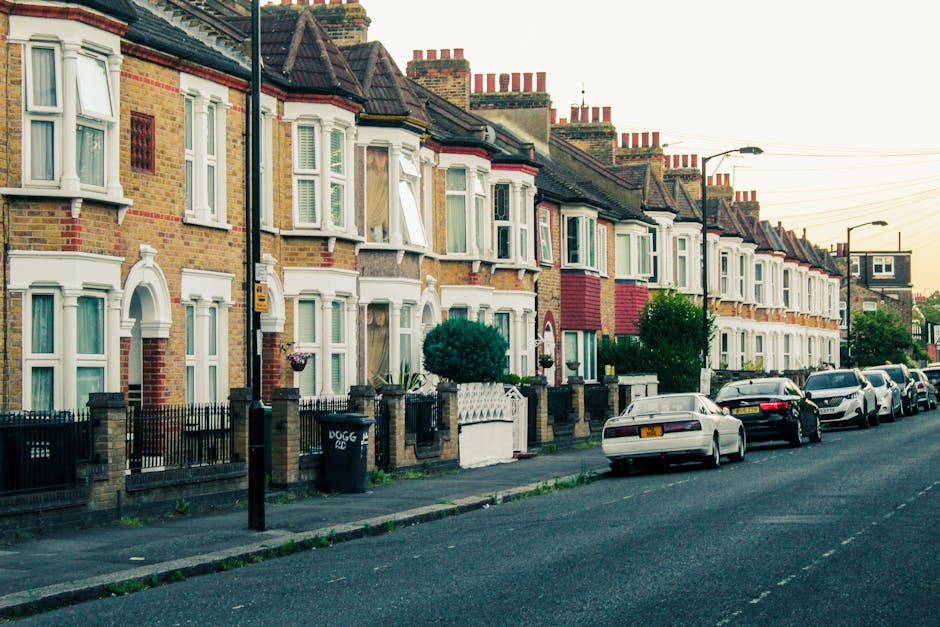
Ickenham Narrow Street Removals Solutions for Period Homes
If you are moving a period property in Ickenham, especially along a narrow street where parking is tight and access can be awkward, you already know this is not a standard house move. Ickenham Narrow Street Removals Solutions for Period Homes are designed for exactly that kind of job: careful planning, measured handling, and a calm approach that respects both the home and the street outside. In a character property, one scratched banister or chipped cornice can feel like a much bigger problem than the box count suggests. Truth be told, it usually is.
This guide explains how these removals work, why they matter, and what to look for if you want a move that feels controlled rather than chaotic. You will find practical steps, common mistakes, a comparison of methods, and a realistic checklist you can actually use on moving day.
Table of Contents
- Why Ickenham Narrow Street Removals Solutions for Period Homes Matters
- How Ickenham Narrow Street Removals Solutions for Period Homes Works
- Key Benefits and Practical Advantages
- Who This Is For and When It Makes Sense
- Step-by-Step Guidance
- Expert Tips for Better Results
- Common Mistakes to Avoid
- Tools, Resources and Recommendations
- Law, Compliance, Standards, or Best Practice
- Options, Methods, or Comparison Table
- Case Study or Real-World Example
- Practical Checklist
- Conclusion
- Frequently Asked Questions
Why Ickenham Narrow Street Removals Solutions for Period Homes Matters
Period homes bring charm, but they also bring complications. You may be dealing with narrow hallways, uneven floors, low door frames, old plaster, delicate original joinery, or staircases that seem to turn on a whim. Add a narrow residential street and the challenges multiply. A moving van may not be able to sit comfortably outside the property. Neighbours still need access. And if you are trying to shift large furniture on a busy lane, even a small delay can snowball into stress.
That is why a specialised removal approach matters. It is not simply about lifting items and transporting them. It is about reading the property, the road, the timing, and the likely pinch points before the first box is touched. In our experience, the best moves in older houses are often the quietest ones. A steady crew, a sensible vehicle choice, and a well-timed arrival can make the day feel surprisingly smooth.
There is also a preservation angle. Period homes often contain original features that cannot be replaced easily or cheaply. A stair spindle, a stripped back mantel, a sash window, decorative moulding, or old timber flooring can all be vulnerable during a move. If you have ever watched someone wedge a sofa around a corner in a Victorian terrace, you will know exactly why extra care is not a luxury here. It is the job.
For local moves in and around the area, it helps to work with teams who understand not just removals, but the practical reality of moving in Hillingdon streets. Helpful background reading such as the guide to protecting period features when moving in Ickenham homes can give you a clearer sense of what careful handling should look like in real life.
How Ickenham Narrow Street Removals Solutions for Period Homes Works
The process usually starts before moving day, and that is where a good service earns its keep. A proper assessment looks at access, parking, item size, fragile features, staircase turns, and whether partial disassembly will help. Sometimes the safest route for a wardrobe is not the front door at all. Sometimes it is. The point is to decide that in advance rather than improvising under pressure.
Here is the rough flow most sensible removals follow:
- Access check: Look at street width, turning space, parking restrictions, and any obstacles such as low walls, overgrown hedges, or narrow gates.
- Property review: Note delicate finishes, older doors, tight staircases, and anything that needs extra protection.
- Vehicle planning: Choose the right van or truck size so the crew can load efficiently without blocking the street longer than necessary.
- Packing and wrapping: Protect furniture, mirrors, pictures, lamps, and high-risk pieces before they are carried through tight spaces.
- Loading strategy: Load by weight, size, and fragility so items do not shift and cause damage in transit.
- Delivery and placement: Put furniture in the right room, reassemble what was taken apart, and check for any issues before finishing up.
On narrow streets, the timing matters almost as much as the lifting. Early starts can help. So can clear communication with neighbours if access is going to be temporarily restricted. A crew that has done this before will usually think through the awkward bits without making a fuss, which is exactly what you want. Nobody needs a heroic moving story; they need their piano upright and their ceiling intact.
Where the move includes family homes with inherited furniture or more fragile heirlooms, it is worth asking about specialist packing and wrapping. Services like packing and unpacking support can reduce risk a great deal, especially when you are juggling rooms full of loose items and not enough hands.
Key Benefits and Practical Advantages
The obvious benefit is reduced risk. The less obvious one is mental space. When you know the access plan, the vehicle size, and the handling approach are already sorted, you stop worrying about every chair leg and hallway corner. That matters more than people admit.
- Better protection for period features: Cornices, banisters, floors, and old door surrounds are less likely to be damaged.
- Smoother street logistics: Narrow roads are managed more efficiently with the right vehicle and timing.
- Less stress on moving day: Fewer surprises, fewer awkward delays, and fewer "we'll just have to see" moments.
- Improved handling of bulky items: Sofas, wardrobes, dressers, and beds can be moved with less risk of scraping or impact damage.
- Better neighbour relations: A tidy, well-organised move is simply easier for everyone around you.
- More efficient use of labour: A planned move usually takes less time and wastes less energy. That sounds obvious, but it really does add up.
There is also a practical cost advantage. A move that is planned properly often avoids the expensive mess of accidental damage, repeated trips, or last-minute vehicle changes. You may spend a little more time upfront on preparation, but it tends to pay for itself in a quieter day and fewer headaches.
Expert summary: For period homes on narrow streets, the winning formula is not speed alone. It is measured planning, the right vehicle, careful wrapping, and a crew that understands how older homes behave under pressure.
Who This Is For and When It Makes Sense
This kind of removal solution is a good fit for homeowners and renters who are moving out of older properties where access is not straightforward. That includes Victorian terraces, Edwardian semis, cottages, and converted homes with tight staircases or small landings. It also makes sense if the property holds awkward, valuable, or sentimental furniture that needs more than a basic man-and-van approach.
You might need this service if:
- the street outside is narrow or has limited parking
- your home has fragile architectural details
- you own heavy, bulky, or awkward furniture
- the stairwell is tight or has sharp turns
- you want packing support as well as transport
- you are moving at short notice and need a structured plan
It can also help if you are not moving far but the route out of the property is the real challenge. A move from one Ickenham period home to another nearby property may still require proper planning because the difficulty is not distance. It is access, shape, and care. That is the bit people underestimate, then regret later.
If your move includes other local logistics, such as van parking or route restrictions, a quick read through the permit guide for moving vans in Hillingdon can help you understand the sort of planning that often sits behind a smooth arrival.
Step-by-Step Guidance
Let us walk through a sensible approach to moving from a period home on a narrow Ickenham street. Not glossy. Just usable.
1. Survey the property before anything is moved
Measure the biggest items and the tightest points. Door widths, stair turns, landing space, and ceiling height all matter. If a wardrobe only just fits through a landing with the doors removed, that is useful to know now, not halfway through the move with everyone exhaling in the hallway.
2. Decide what should be dismantled
Some items are safer in pieces. Beds, dining tables, wardrobes, and shelving often travel better once partly dismantled. Keep the fixings bagged and labelled. It sounds simple, but those little screws have a habit of disappearing into the one box you will need last.
3. Protect the house as well as the furniture
Use floor runners, door-jamb protectors, and blankets where needed. In older homes, the path out can be more vulnerable than the objects being carried. A marked scuff on a painted banister is annoying; a damaged stair edge is worse.
4. Pack by room and by fragility
Try not to mix heavy, light, and fragile items in the same box. It creates unnecessary risk. Put the obvious breakables in smaller cartons and use filling material properly. A box should close without bulging. If it looks overstuffed, it probably is.
5. Plan the loading order
Heavy and robust items usually go in first. Fragile and awkward items are secured later, using blankets, straps, and careful stacking. The aim is to stop movement in transit. Nobody wants a mirror sliding into a cabinet because the van took one roundabout too enthusiastically.
6. Keep the street clear and the timeline realistic
Narrow roads need coordination. Make sure access is not blocked by your own vehicles, bins, or delivery vans. If the road is tight, build in a little buffer. Just a little. The real world has a way of adding ten-minute delays at the worst possible time.
7. Check the final placement at the new home
When items are delivered, place them where they belong and check for any signs of damage before the crew leaves. That final review is not suspicious; it is sensible. Better to catch a problem while everyone is there than notice it two days later when the kettle has finally been found.
Expert Tips for Better Results
Small decisions make a big difference in period-property removals. Here are the things that tend to separate a smooth move from a messy one.
- Book the right size vehicle: Too large and you can create parking problems. Too small and you end up making more trips than planned.
- Use proper wrapping for furniture: Corners and edges take the brunt of the knocks, especially in tight hallways.
- Photograph assembled items before dismantling: This saves time later when you are rebuilding beds, shelves, or wardrobes.
- Reserve time for awkward pieces: Grandfather clocks, mirrors, pianos, and inherited cabinets deserve extra attention.
- Keep essentials separate: Kettle, phone chargers, documents, medication, and a change of clothes should travel with you, not in the van abyss.
- Work room by room: It reduces confusion and cuts down on forgotten items hidden behind curtains or under stairs.
- Ask about insurance and handling procedures: A professional team should be able to explain how they protect items and what happens if something goes wrong.
One simple but often missed tip: label boxes with both room and priority. "Kitchen" is fine. "Kitchen, first night" is better. It sounds fussy until you are standing in a new home at 9 p.m. wondering where the mugs went. Been there, and it is no fun.
For a deeper look at packing habits that genuinely help, the article on decluttering and packing for an organised move is a useful companion read.
Common Mistakes to Avoid
A lot of moving stress comes from avoidable mistakes, not bad luck. Here are the ones that crop up most often.
- Underestimating access: A street may look manageable until the van arrives and there is nowhere sensible to stop.
- Leaving packing too late: Rushed packing leads to damaged items and a very frazzled morning.
- Not measuring bulky furniture: If a sofa or wardrobe barely fits, it may need to come apart before move day.
- Ignoring delicate finishes: Period details need protection, even if they seem sturdy at first glance.
- Choosing price over practicality: The cheapest option can become the most expensive if the move is mishandled.
- Failing to label boxes clearly: This creates chaos in the new property, especially when several rooms are involved.
- Blocking the street unnecessarily: It can annoy neighbours and slow the whole process.
Another common mistake is assuming that "local" means "easy." Sometimes it does, of course. But a short move across town can still be more difficult than a longer one if the house shape and road access are tricky. The move cares about geometry more than mileage. Bit unfair, but there you are.
Tools, Resources and Recommendations
You do not need specialist kit in every case, but a few tools make life noticeably easier. For most period-home moves, the most useful items are sturdy boxes, wrapping blankets, mattress covers, tape, labels, furniture sliders, and basic dismantling tools. If you are handling fragile items, a proper packing setup is worth the effort.
Useful service areas to consider include:
- Packing support: Ideal if you have antiques, glassware, artwork, or a lot of mixed household items.
- Furniture collection and disposal: Helpful when you are not taking everything with you.
- Flexible van options: Useful for smaller or partial moves where a full truck may be more than you need.
- Full-home removals: Best for larger family properties or multi-room moves.
For readers comparing practical moving support, the company's service pages such as home moves and man with van can help you judge which style fits your situation better. If your move involves more volume or heavier furniture, a moving truck may be more appropriate.
Where unwanted items are part of the picture, especially bulky pieces that will not fit into the new home, furniture pick-up can help you simplify the move rather than hauling clutter from one address to another. That is one of those decisions people thank themselves for later.
Law, Compliance, Standards, or Best Practice
For household removals in the UK, the practical side of compliance usually focuses on safety, insurance, access, parking, and responsible handling. You do not need to become a legal expert, but you should expect your removals provider to work in line with sensible safety practices, appropriate insurance cover, and lawful parking or loading arrangements.
Some best-practice points are worth keeping in mind:
- Insurance: Ask how goods in transit and public liability are handled, and what exclusions may apply.
- Safe lifting: Heavy items should be moved using proper techniques and, where needed, more than one person.
- Parking and access: Check whether any local restrictions, permits, or temporary loading rules apply on your street.
- Property protection: Floors, door frames, and stairs should be protected where there is a risk of damage.
- Clear terms: Costs, waiting time, cancellation conditions, and service scope should be easy to understand before booking.
If you are comparing providers, it is also sensible to review company information pages such as insurance and safety, health and safety policy, and terms and conditions. Those pages should not just exist for show. They should tell you how the business actually operates when the pressure is on.
And yes, it is fair to ask direct questions. A serious removals company should be used to that. If anything, they should welcome it.
Options, Methods, or Comparison Table
Not every move needs the same kind of support. The right choice depends on the size of the property, the number of items, and how awkward the access really is. Here is a simple comparison to help you think it through.
| Option | Best for | Strengths | Trade-offs |
|---|---|---|---|
| Man and Van | Smaller loads, single rooms, lighter furniture | Flexible, simple, often quicker to arrange | May not suit heavy or high-volume moves |
| Full Home Removals | Whole-house moves, family properties, larger item counts | More structured, better for complex jobs | Usually more planning involved |
| Moving Truck Hire | Moves needing larger load space | Good capacity, suitable for multiple large items | Can be harder to manage on narrow streets |
| Packing and Unpacking Service | Fragile homes, time-poor households, valuable contents | Reduces stress and damage risk | Additional cost, though often worth it |
For many period homes in narrow streets, the sweet spot is a tailored combination rather than a single one-size-fits-all service. A smaller vehicle for access, plus careful packing and a thoughtful loading plan, can be far more effective than a larger truck that creates street access headaches.
If you want to understand the broader service mix, the pages for house removalists and pricing and quotes are helpful starting points when you are comparing what is included and what is not.
Case Study or Real-World Example
Imagine a couple moving out of a two-storey period home on a narrow Ickenham road. The staircase is original, the hallway is slim, and the dining table has to pass a corner with barely any spare room. There is also a parked car opposite the house, which means the van cannot simply sit wherever it likes.
Rather than forcing the issue, the move is planned in advance. The team arrives early, with a vehicle sized to keep loading manageable but not oversized for the street. The wardrobe is measured and partly dismantled before anything is carried down. Mirror frames and table legs are wrapped separately. Doorways are covered. The kitchen items are packed first so the essentials are easy to find on arrival.
By mid-morning, the move is moving, if you will excuse the phrase. No drama. No panicked re-routing around the block five times. The couple can focus on checking rooms and confirming where key furniture should go, instead of worrying about whether the sofa will make the turn at the top of the stairs. The house still feels like a period home, but now the move has respected that character instead of fighting it.
That is really the point. These moves work best when the service adapts to the property, not the other way round.
Practical Checklist
Use this checklist in the final week before moving day. It is simple, but it covers the awkward bits that often get missed.
- Measure large furniture and key access points
- Check parking and loading arrangements outside both properties
- Confirm the vehicle size is suitable for the street
- Protect floors, stair rails, door frames, and corners
- Pack fragile items separately and label them clearly
- Take apart bulky items where needed
- Set aside essentials for the first night
- Keep screws, fittings, and small parts in labelled bags
- Notify neighbours if access may be temporarily restricted
- Review insurance, timing, and service scope before the move
- Walk through the property at the end to check for missed items
Practical summary: If you remember only one thing, make it this: in a narrow-street period-home move, preparation protects both the building and your patience. That is the whole game, really.
Conclusion
Ickenham Narrow Street Removals Solutions for Period Homes are all about care, timing, and smart planning. They are the right choice when a move is more than transport and you need to protect both the home's character and the practical flow of the day. The narrower the street and the older the property, the more valuable that careful approach becomes.
Done well, the move feels measured rather than frantic. The right vehicle turns up at the right time, the right items are protected properly, and the awkward corners are handled with a bit of thought instead of brute force. It is not glamorous, but it is effective. And honestly, effective is what most people want when boxes are everywhere and the kettle has gone missing.
Get a free quote today and see how much you can save.
If you are planning a move in Ickenham or nearby, take your time choosing the support that fits the property, the street, and the furniture you are bringing with you. A calm move has a way of setting the tone for the new place. That matters more than people think.
Frequently Asked Questions
What makes a period home move different from a standard house move?
Period homes often have tighter staircases, more delicate features, and less forgiving layouts than newer properties. That means furniture may need dismantling, wrapping, or a more careful route through the home. The move is still doable, but it needs more planning and a slower, more precise approach.
Why is narrow street access such a big issue?
Narrow streets can limit where a van can stop, how long loading takes, and whether larger vehicles can turn safely. If access is poor, the move can slow down quickly. That is why vehicle size, parking checks, and timing matter so much.
Do I need a full removals team or would a man and van be enough?
It depends on the size and complexity of the move. A man and van can work well for smaller loads or partial moves. If you have multiple rooms, heavier furniture, or fragile period features to protect, a fuller removals service is often the better fit.
How early should I book a removals company for a period property move?
As early as you reasonably can, especially if your street has limited access or the move needs special planning. Earlier booking gives time to assess access, plan the vehicle, and sort out packing properly. Last-minute moves can still work, but they are usually more stressful.
Can removals teams protect old floors and staircases?
Yes, they should. Good teams use protective coverings, blankets, and sensible handling methods to reduce scuffs and impact damage. It is worth asking how they protect original floors, banisters, and door frames before you book.
What should I do with bulky furniture that may not fit through the door?
Measure it in advance and consider whether it should be partially dismantled. If it still looks like a tight fit, mention it early so the team can plan properly. Sometimes a small adjustment is enough to avoid a lot of hassle.
Are packing services worth it for period homes?
Often, yes. Packing support can be especially useful if you have antiques, glass, artwork, or a lot of mixed household items. It saves time and usually reduces damage risk, which is a fair trade for many people.
How do I know if my street will cause parking problems on moving day?
Look at the width of the road, whether vehicles are usually parked on both sides, and whether there is a clear space for loading. If in doubt, ask the removals team to assess the access before moving day. A quick check now can save a very long morning later.
What insurance should I ask about?
You should ask about goods in transit and public liability cover, along with any exclusions that might apply. It is also sensible to ask how damaged items are reported and handled. Clear answers are a good sign.
Can I move out of a period home safely if I only have a small time window?
Yes, but the window needs realistic planning. The more limited the time, the more important it becomes to have packing done early, large items ready to go, and access arranged in advance. Rushing the setup is where problems usually start.
What is the biggest mistake people make with narrow-street removals?
Underestimating access. People often focus on what is inside the house and forget about the road outside. In reality, the street can be the thing that decides how smooth the whole day feels.
Is it worth choosing a local removals company for an Ickenham move?
Usually, yes. A local team is more likely to understand nearby roads, parking patterns, and the practical quirks of the area. That local familiarity can be a real advantage when access is tight and timing matters.