Protect Period Features When Moving in Ickenham Homes
Moving house is stressful enough without worrying about cracked plaster, scuffed bannisters, or a sash window that suddenly decides it has a mind of its own. If you are trying to protect period features when moving in Ickenham homes, the job needs more than standard moving-day caution. Older homes often have fragile details that look sturdy at first glance but can be surprisingly easy to damage: original cornices, cast-iron fireplaces, oak stair rails, ceiling roses, tiled hearths, and decorative skirting that has already survived decades of everyday life.
This guide walks you through the practical side of protecting those features properly. You will learn what needs attention first, how to prepare rooms and furniture, which moving methods are safest, and where people usually go wrong. We will also cover sensible UK best practice, a comparison of approaches, and a realistic checklist you can actually use without feeling like you need a degree in logistics. To be fair, old houses can be a joy and a headache in the same afternoon.
For many moves, the smartest plan starts with the right service choice too. A well-organised home moves service or a carefully planned house removalists team can make a big difference when narrow halls and delicate finishes are involved.
Table of Contents
- Why Protect Period Features When Moving in Ickenham Homes Matters
- How Protect Period Features When Moving in Ickenham Homes Works
- Key Benefits and Practical Advantages
- Who This Is For and When It Makes Sense
- Step-by-Step Guidance
- Expert Tips for Better Results
- Common Mistakes to Avoid
- Tools, Resources and Recommendations
- Law, Compliance, Standards, or Best Practice
- Options, Methods, or Comparison Table
- Case Study or Real-World Example
- Practical Checklist
- Conclusion
- Frequently Asked Questions
Why Protect Period Features When Moving in Ickenham Homes Matters
Period properties have character, but they also have weak points. In many older Ickenham homes, walls may be uneven, doorways narrower than modern furniture, and finishes more vulnerable to vibration, impact, and pressure. A sofa that fits fine in a new-build can be a nightmare in a Victorian hallway. A wardrobe bumping a dado rail can leave a mark that is hard to repair neatly. One careless turn on a landing can chip plaster or bruise a stair edge that has taken a century to settle into place.
The reason this matters is simple: damage to period features is often expensive, awkward, and sometimes impossible to fully reverse. Replacement parts may not match the original workmanship. Even a good repair can look slightly "off" if it sits next to hand-finished woodwork or aged decorative plaster. If the house has heritage value, the emotional cost is often just as high as the repair bill. You are not just moving boxes. You are moving through a building with a memory.
There is also a practical side. Protecting these features slows down the risk of snagging, delays, and last-minute panic. A move that seems quicker at first can become a lot slower if someone has to stop and deal with a broken stair spindle or a scraped floorboard. In our experience, the calmest moves are the ones where the protection plan is sorted before the van even arrives.
Expert summary: Period features are safest when you treat them as load-bearing risks, not decorative afterthoughts. The best moves use planning, padding, controlled handling, and the right team size from the start.
How Protect Period Features When Moving in Ickenham Homes Works
Protecting older features is really a sequence of small decisions. First, you identify what needs shielding. Then you choose the right materials. After that, you plan the route furniture and people will take through the property. Finally, you control movement on the day so pressure, friction, and accidental knocks stay to a minimum. Simple enough in theory; a bit fiddly in practice.
The first step is a room-by-room survey. Look for fragile items that are built into the property, not just standalone objects. This includes stair balustrades, architraves, original doors, alcoves, ceiling mouldings, decorative tiles, fireplaces, and fitted woodwork. Do not forget surfaces that are easy to miss, such as top corners of door frames or the underside of banisters where moving straps can rub.
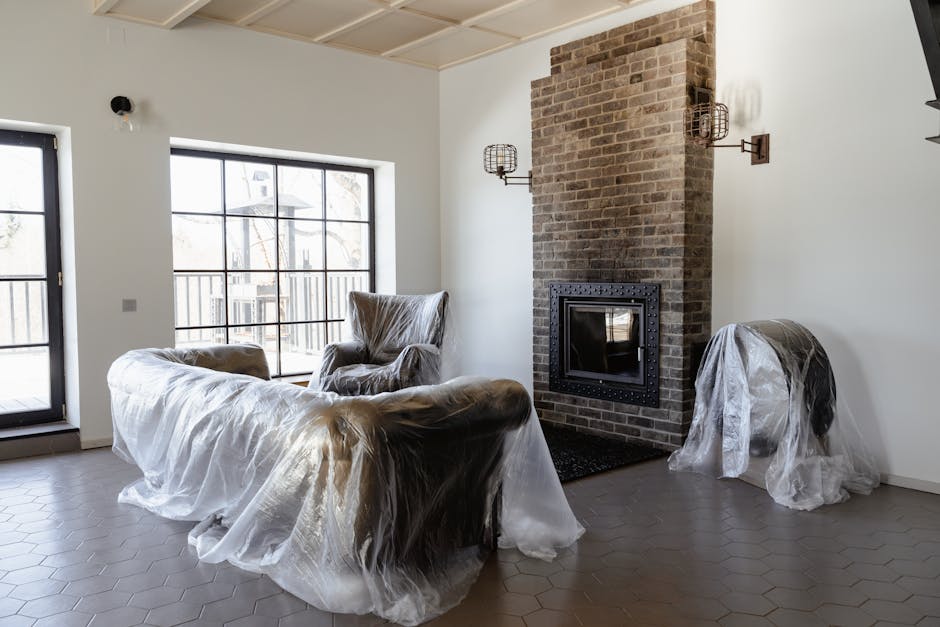
The second step is protective layering. Soft coverings, corner guards, and temporary floor runners help reduce abrasion and impact. Breathable materials are usually better than anything overly sticky, because you do not want residue or trapped moisture on old paint and timber. One of the less glamorous but genuinely useful habits is simply checking the route every few trips. That little pause can save a lot of regret later.
The third step is furniture control. Heavy items should be dismantled where possible, carried with enough people to avoid twisting, and kept away from walls and stair edges. When the move is more complex, it can be worth using a dedicated vehicle option such as man with van support or a larger moving truck arrangement, depending on the volume and access. Less scrabbling in the hallway usually means less damage overall.
Key Benefits and Practical Advantages
There is more to protecting period features than avoiding obvious breakage. Done properly, it changes the whole tone of the move.
- Less risk of irreversible damage: Original joinery, plasterwork, and flooring are often impossible to replace exactly.
- Lower repair hassle: You spend less time arranging tradespeople or trying to match old finishes.
- Smoother move day: Clear protection and route planning reduce chaos in tight hallways and on staircases.
- Better handling discipline: When the team knows the surfaces matter, they naturally move more carefully.
- More confidence for the homeowner: You can focus on the move itself instead of watching every corner like a hawk.
There is also a less obvious benefit: protection encourages better packing. People who take the time to wrap furniture properly often end up loading more efficiently too. That can mean fewer trips, less fumbling, and fewer moments where someone says, "It'll be fine" right before a chair leg meets a plaster edge. Famous last words, really.
If you are also clearing out items that will not be going to the new property, a furniture pick up service can help reduce clutter before moving day and create more space around fragile architectural details.
Who This Is For and When It Makes Sense
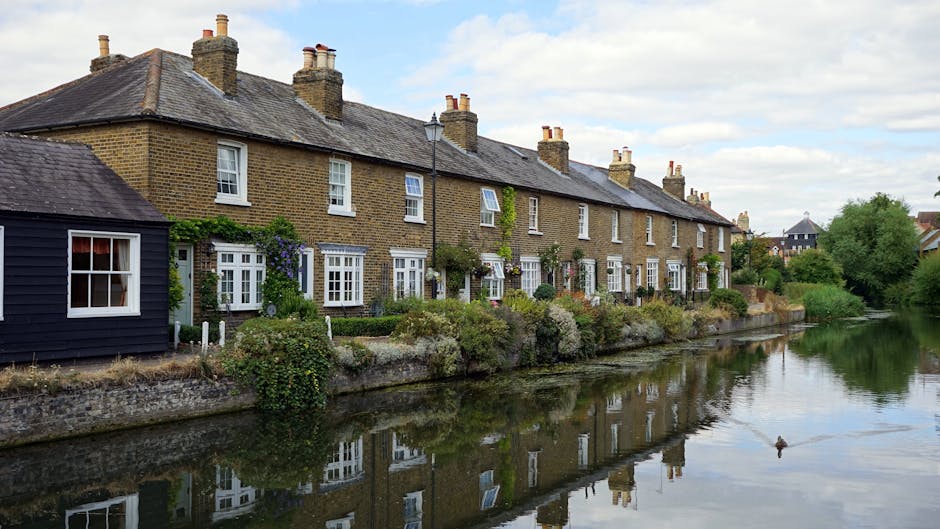
This approach is not just for listed homes or grand houses with fancy ceilings. It makes sense anywhere there are older features worth preserving. That could be a semi-detached property with original doors and stair rails, a terrace with period brickwork inside, or an Ickenham home that has been renovated sensitively and still has older timber, plaster, or floor finishes.
You will especially want a careful protection plan if any of these apply:
- the hallway or staircase is narrow
- the property has original plaster details or cornices
- large furniture needs to pass through tight turns
- the floors are polished wood or historic boards
- there are fireplaces, tiled hearths, or alcoves near the route out
- you are moving in damp, wet, or muddy weather and outdoor tracking is a risk
It also makes sense when you have a mixed move: part of the property is being cleared, part is staying, and one wrong turn could clip an original feature. If the move includes office equipment, archive furniture, or bulky items from an outbuilding, a specialist commercial moves approach can be useful for keeping the operation orderly.
Truth be told, if you look at an older house and think, "This would be easy to damage," you are probably right. That instinct is worth listening to.
Step-by-Step Guidance
1. Walk the property before anything is moved
Do a slow walk from each room to the exit. Look at wall corners, skirting, bannisters, light fittings, stair turns, and floor edges. You are trying to spot not just what is fragile, but where furniture is most likely to graze or catch. If something sits flush against a wall, assume it will be the first thing a corner knocks.
2. Measure furniture and awkward spaces
Measure the tallest, widest, and deepest pieces first. Then compare them with the narrowest points in the home: door openings, hall widths, landing turns, and staircase bends. This step saves a surprising amount of stress. It also helps decide whether items need to be dismantled or carried a different way.
3. Remove or secure loose hazards
Take down pictures, mirrors, and anything else hanging close to walkways. Secure loose rugs, tidy cables, and move small side tables or plant stands out of the way. A clear path is one of the simplest forms of protection, and it often gets overlooked because it looks too basic. But basic works.
4. Protect vulnerable surfaces first
Start with the features most likely to get hit: stair rails, door frames, corners, and polished floors. Use non-damaging coverings and make sure they are fitted properly, not just draped on. Slipping protection is worse than no protection at all in some cases, because it can hide a trip risk.
5. Dismantle bulky furniture where sensible
Wardrobes, bed frames, shelving, and large tables often move more safely in parts. Dismantling reduces width and makes it easier to steer through older layouts. Keep all screws and fittings in labelled bags. It sounds obvious, but moving day has a way of turning obvious things into mysteries.
6. Use enough people for the job
Trying to save money by under-staffing a move can backfire badly in a period property. Two people struggling with one sofa are more likely to swing wide and clip a wall than three people sharing the load calmly. Use the right team size for the object, the access, and the finish you are trying to protect.
7. Load the van in the right order
Heavy, stable items go in first. Fragile pieces and anything with sharp corners should be secured so they do not shift during transport. If you need a smaller setup or a more flexible loading arrangement, a man and van option can work well for lighter moves, though the exact choice depends on volume and access. The aim is simple: reduce re-handling.
8. Do a final sweep before leaving
Check that covers have stayed in place, nothing has been left leaning against a wall, and the path is clear of packing debris. Then walk the route one more time. It takes minutes. It can save a repair job.
Expert Tips for Better Results
Small habits make a big difference in older homes. The following tips are the kind that save both time and nerves.
- Use breathable protection on painted or timber surfaces. Old finishes can react badly to trapped moisture or sticky tape.
- Pad corners more heavily than flat surfaces. Corners are where most accidental contact happens.
- Plan the "carry line" before lifting anything. A clear route is worth more than rushing.
- Keep one person in charge of guiding the move. Too many voices in a tight hallway becomes a mess quickly.
- Use blanket protection for furniture, but keep fittings visible. You still need to see handles, feet, and protrusions.
- Protect floors early in the day. A muddy boot on a board floor can undo careful work in seconds.
In our experience, one of the best quiet tricks is simply slowing the tempo. Not crawling. Just calmer. The move feels more professional, and the house breathes a bit easier too. If you are arranging moving materials, delivery, or vehicle support, it can also help to check pricing and quotes well before the day so you can plan the right level of service without rushed decisions.
Another useful habit: photograph sensitive areas before the move. Not because you expect trouble, but because it helps you notice any new marks later. A tiny scuff is much easier to spot on a clean, documented surface than on a busy, half-packed corridor.
Common Mistakes to Avoid
People usually do not damage period features because they are careless in a dramatic way. More often it happens because they are busy, underprepared, or trying to save ten minutes at the wrong moment.
- Using too much tape on old paint or timber. It can lift finishes or leave residue.
- Forcing furniture through an opening. If it is tight, stop and reassess instead of pushing harder.
- Ignoring ceiling height and overhead fittings. Tall wardrobes and mirrors can strike mouldings and lights.
- Not protecting the floor first. Once the floor is scratched, every further trip adds to the damage.
- Underestimating the weight of damp or antique furniture. Old wood can be heavier than it looks.
- Skipping dismantling because it feels inconvenient. Sometimes inconvenience is the safer route.
One more common mistake? Assuming that the people helping on the day already know how to handle old properties. Some do, some absolutely do not. It is worth briefing everyone clearly, even if they look like they have moved a thousand times. Especially then, maybe.
Tools, Resources and Recommendations
You do not need fancy specialist equipment for every move, but the right basics matter. Here is a practical toolkit that usually helps in period homes:
- removal blankets or padded covers
- corner protectors for door frames and exposed edges
- floor runners or temporary floor protection
- strap ties and labelled bags for dismantled fittings
- sturdy gloves with a good grip
- furniture dollies or sliders for heavy items on suitable floors
- felt pads for temporary furniture placement where appropriate
Recommendations should stay realistic. If your home has delicate paintwork or original wood, avoid rough adhesives, over-tight wrapping, and cheap materials that tear halfway through the move. If weather is poor, protect thresholds and floor entry points first because wet shoes and damp cardboard can make a lovely old hallway feel like a minor hazard zone by 9 a.m.
For fuller support, some households combine packing help with moving-day labour. Packing and unpacking services can reduce the risk of rushed, uneven packing, which is often where avoidable knocks begin. If you need a larger vehicle setup, a removal truck hire option may be more suitable for bulky furniture and controlled loading.
Law, Compliance, Standards, or Best Practice
For most domestic moves, the key issue is not a special moving law for period features, but the normal duty of care expected when handling someone's property. In practical terms, that means moving carefully, using suitable equipment, and avoiding preventable damage. If the property is listed, leasehold, or part of a managed building, extra rules may apply to what can be altered, covered, fixed, or removed. When in doubt, check with the property owner, managing agent, or the relevant paperwork before making temporary changes to the building fabric.
Best practice in the removals sector usually includes sensible risk assessment, clear communication about access conditions, and appropriate insurance cover. That last part matters more than people think. Insurance does not prevent damage, of course, but it does give a degree of reassurance if something unforeseen happens. If you are comparing providers, ask how they handle fragile items, access challenges, and claims procedures. It is not nosy. It is sensible.
It is also worth reviewing a company's public policies when you are choosing who to trust with a delicate move. Pages such as insurance and safety and health and safety policy can help you understand how seriously the business treats risk and on-site care. For many households, that trust signal matters as much as the price.
Options, Methods, or Comparison Table
There is no single perfect way to protect period features, but some methods suit certain homes better than others. Here is a simple comparison to help you think it through.
| Method | Best for | Pros | Watch-outs |
|---|---|---|---|
| Basic soft covering | Low-risk rooms and short moves | Quick, affordable, easy to apply | May not be enough for narrow halls or heavy furniture |
| Full route protection | Homes with staircases, corners, and polished floors | Better impact control, cleaner movement path | Takes longer to set up |
| Furniture dismantling plus padding | Large wardrobes, beds, and tables | Safer through tight access, less twisting | Needs careful reassembly and labelled parts |
| Professional packing support | Busy households and fragile loads | More consistent packing, less rushed handling | Extra cost, though often worthwhile |
| Full-service moving team | Complex older homes with valuable features | Best control, less homeowner stress | Requires more planning and coordination |
If you are deciding between a lighter or heavier setup, think less about "cheapest" and more about "least risky for this house." A tight stairwell with original plaster does not care about your budget spreadsheet. It just sits there waiting for someone to clip it.
Case Study or Real-World Example
Here is a realistic example from a typical older Ickenham-style move. A family was leaving a home with an original staircase, decorative architraves, and a narrow front hallway. The main challenge was not the volume of items; it was access. A large sideboard, a tall bookcase, and a bed frame all had to pass through the same twisting route.
Before moving day, the route was cleared properly. The stair rail and wall corners were protected, the floor was covered along the carry line, and the largest furniture items were dismantled where possible. The team also agreed on one simple rule: only one person would guide each lift through the tightest point. That small rule made a huge difference. There was less talking, fewer sudden reversals, and no one tried to improvise a miracle turn halfway up the stairs.
The result? The move stayed steady, the period features remained intact, and the family avoided the kind of "small" mark that somehow becomes the first thing you notice every time you walk into the hallway. Not glamorous, but very real. And very common.
For households needing a straightforward, practical setup, a flexible man and van arrangement can work well for lighter loads. For fuller home moves, the more complete route is often a better fit, especially where old features and awkward access meet.
Practical Checklist
Use this checklist before moving day. It keeps the process grounded and saves you from trying to remember everything at 7:15 on a damp Tuesday morning.
- identify all period features that need protection
- measure furniture and narrow access points
- clear walkways and remove loose hazards
- protect stair rails, corners, and floors first
- choose breathable coverings where appropriate
- dismantle bulky furniture before the move if needed
- label screws, fittings, and hardware bags
- brief everyone involved on the carry route
- load items in a stable, sensible order
- inspect walls, floors, and railings at the end
Quick reminder: if a piece feels awkward before the move starts, it will not magically become graceful halfway down the stairs.
Conclusion
Protecting period features in an Ickenham home is really about respect: respect for the building, for the craftsmanship that is already there, and for the hassle you are trying to avoid later. The best moves are not the loudest or the fastest. They are the ones where the hallway stays calm, the furniture gets where it needs to go, and the original details still look like themselves at the end of the day.
If you plan ahead, use the right protection, and choose a moving setup that suits the property rather than forcing the property to suit the move, you give yourself a much better chance of a clean result. And that matters. A lot. Especially in older homes where the smallest mark can feel oddly huge.
Get a free quote today and see how much you can save.
Frequently Asked Questions
How do I protect period features when moving in an older Ickenham house?
Start by identifying fragile built-in details like stair rails, cornices, skirting, and original doors. Then protect the route with floor coverings, corner padding, and sensible furniture dismantling. The big win is preparation before lifting begins.
What period features are most likely to get damaged during a move?
Staircases, plaster corners, door frames, fireplaces, and polished floors are the most common problem areas. These surfaces are exposed, narrow, or easy to bump when turning bulky furniture.
Is it better to dismantle furniture before moving through a period property?
Usually yes, if the item is large or awkward. Dismantling reduces width and makes it easier to steer through narrow entrances and stair turns. It also lowers the chance of scraping walls or banisters.
What should I use to protect old walls and woodwork?
Use non-damaging, breathable protective materials where possible. Heavy padding, floor runners, and corner guards are usually safer than sticky or rough materials that could mark aged paint or timber.
How far in advance should I prepare the property?
Ideally, do the main preparation before moving day: measurements, route planning, and protection setup. Even a few hours of advance work can make the move noticeably calmer.
Do I need professional movers for a period home?
Not always, but professional help is often worthwhile if the access is tight, the furniture is heavy, or the features are particularly fragile. A good team will know how to move carefully without turning the hallway into a battleground.
Can packing services help protect period features?
Yes. Careful packing reduces last-minute rushing and makes items easier to carry. When boxes and furniture are packed properly, the whole move tends to be more controlled. Less chaos, fewer knocks.
What if my staircase is too narrow for the furniture?
Stop and reassess rather than forcing it through. Sometimes the item needs dismantling, sometimes a different carrying angle works, and sometimes a different route or vehicle setup is the safer answer.
Does insurance cover damage to period features?
It depends on the policy and the circumstances, so always check the details in advance. Insurance can provide reassurance, but prevention is still the main goal. It is far better not to need a claim in the first place.
How do I protect floors in a period property during a move?
Cover the route early, especially near entrances, stairs, and turning points. Focus on high-traffic areas and make sure coverings do not slip. Wet shoes and grit are surprisingly good at ruining a careful day.
What is the biggest mistake people make in older homes?
Rushing. That is usually the one. People assume they can carry something just a bit faster or squeeze through just a bit tighter, and that is when skirting, plaster, or woodwork gets marked.
What is the safest approach if I am moving expensive antique furniture too?
Use extra padding, enough people to carry it steadily, and a route that is fully cleared and protected. Antique pieces are often both fragile and awkward, which is a slightly rude combination if we are honest.
Where can I check a provider's approach to safety and standards?
Look for clear information on safety, insurance, pricing, and company policies. Pages such as about us, insurance and safety, and payment and security can help you judge whether the service feels organised and trustworthy.