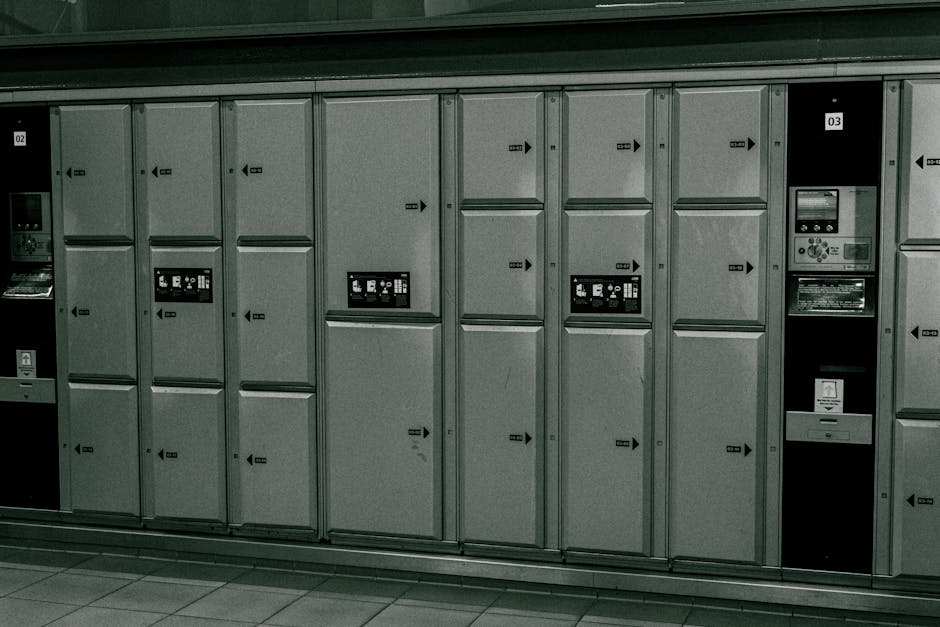
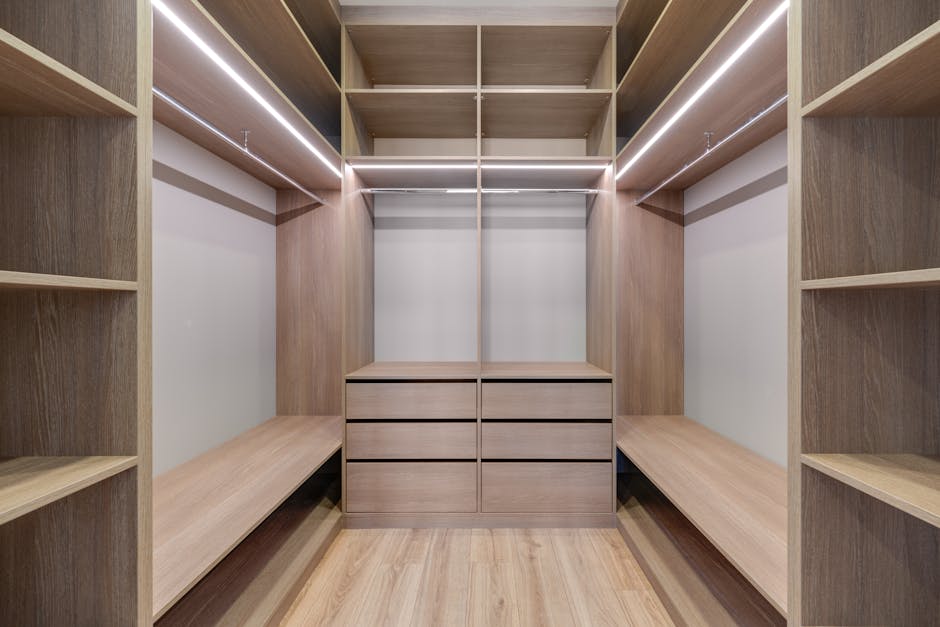
Storage Solutions for Hillingdon Flats With No Space: Practical Ideas That Actually Work
If you live in a Hillingdon flat and feel like every cupboard, corner, and under-bed gap has already been claimed, you are not alone. Storage Solutions for Hillingdon Flats With No Space are not about buying more boxes for the sake of it. They are about making daily life easier, calmer, and a lot less cluttered, without turning your home into a maze of overstuffed furniture. Truth be told, most flats in busy London areas need a smarter system rather than more stuff.
This guide walks through what works, what to avoid, and how to choose storage that genuinely fits flat living. You will find practical steps, comparison points, and a realistic view of local needs, from seasonal items to bulky belongings and the small annoyances that build up fast.
For readers comparing services, it can help to understand the wider company approach too. You can learn more on the about us page, or check pricing and quotes if you want a feel for how a professional service might be structured.
And yes, if you have ever stared at a hallway full of bags and thought, where exactly is all this supposed to go?, this article is for you.
Table of Contents
- Why Storage Solutions for Hillingdon Flats With No Space Matters
- How Storage Solutions for Hillingdon Flats With No Space Works
- Key Benefits and Practical Advantages
- Who This Is For and When It Makes Sense
- Step-by-Step Guidance
- Expert Tips for Better Results
- Common Mistakes to Avoid
- Tools, Resources and Recommendations
- Law, Compliance, Standards, or Best Practice
- Options, Methods, or Comparison Table
- Case Study or Real-World Example
- Practical Checklist
- Conclusion
- Frequently Asked Questions
Why Storage Solutions for Hillingdon Flats With No Space Matters
Space problems in flats are not just an inconvenience. They affect how a home feels and how well it functions. When storage is poor, everyday routines become slower. You spend more time hunting for keys, cycling gear, documents, kitchen items, chargers, or that one thing you definitely put "somewhere safe".
In Hillingdon, where many people live in compact flats, shared buildings, converted properties, or homes with limited built-in storage, the issue is often less about having too much and more about having nowhere sensible to put it. A hallway cupboard that swallows coats and half a vacuum cleaner is not really a system. It is a truce, and not a very strong one.
Good storage matters because it helps you:
- keep living spaces usable rather than crowded
- protect valuable or seasonal belongings
- reduce stress and visual clutter
- make cleaning and maintenance easier
- create more flexibility during moves, renovations, or life changes
There is also a practical side. Flats can change quickly. A new partner moves in, a baby arrives, a work-from-home setup appears, or winter coats suddenly need somewhere to live. Storage that seemed fine last year can feel hopeless by spring.
That is why a well-planned approach is useful. It is not about making a tiny flat feel huge; it is about making it work properly. And that is a different thing altogether.
How Storage Solutions for Hillingdon Flats With No Space Works
At its simplest, flat storage works best when you separate belongings into three groups: what you use daily, what you use occasionally, and what you rarely need. The first group stays close to hand. The second group should be stored neatly but accessibly. The third group may be better suited to off-site storage, especially if your flat has no real spare room at all.
Most smart storage solutions combine a few tactics rather than relying on one big fix. For example, you might use vertical shelving in a living room, vacuum bags for bedding, slim furniture with hidden compartments, and a secure external storage unit for bulky items like suitcases, spare chairs, or archived paperwork.
In flat living, "storage" often means one of four things:
- Maximising internal space with furniture and layout changes.
- Reducing volume by decluttering and packing more efficiently.
- Using shared or hidden spaces such as under beds, above wardrobes, or behind doors.
- Moving overflow items elsewhere using external or temporary storage.
That last point is where many people get relief, to be fair. Once the bulky seasonal things leave the flat, the whole place feels different. A bit lighter. Easier to breathe in. Even the silence seems cleaner somehow.
If you are arranging storage as part of a move or home reset, useful support pages such as health and safety policy and insurance and safety can help set expectations around careful handling and responsibility.
Key Benefits and Practical Advantages
There are a few obvious benefits, and some less obvious ones that matter just as much.
1. More room to live, not just to store
The best storage gives you usable floor space back. That matters in a flat where every square foot has to earn its keep. A clear corner can become a reading chair area, a child's play spot, or just somewhere to put your shoes without creating a traffic jam.
2. Less daily friction
When storage is poor, small tasks become annoyingly difficult. You cannot find the battery charger. The winter bedding is jammed behind the ironing board. The spare towels have migrated. Better organisation removes those little snags.
3. Better protection for belongings
Seasonal clothes, documents, keepsakes, and electrical items tend to last longer when stored properly. Dry, tidy, and protected beats "stacked wherever it fitted at the time". That last method is a classic, and a disaster waiting patiently.
4. Easier cleaning and maintenance
A flatter, more open room is simply easier to hoover, dust, and keep in order. You notice this most on a Sunday morning when light comes through the windows and the place suddenly looks twice as busy as it did the night before.
5. Better mental clarity
This sounds soft, but it is very real. Many people feel less overwhelmed when visual clutter is reduced. The flat stops shouting at you a little. That calm matters.
| Storage approach | Best for | Main advantage | Possible downside |
|---|---|---|---|
| Built-in and furniture storage | Daily items, small homes | Keeps things close at hand | Can still fill up quickly |
| Under-bed and vertical storage | Flats with awkward layouts | Uses unused space well | Can become messy if unmanaged |
| Decluttering and downsizing | Homes with excess belongings | Reduces volume at the source | Needs honest decision-making |
| External storage | Bulky or seasonal items | Frees up valuable flat space | Extra cost and access planning |
Who This Is For and When It Makes Sense
This kind of storage planning makes sense for a wide range of people, not only those in tiny studio flats. In fact, one of the biggest mistakes is waiting until the place feels unmanageable.
You may need a better storage setup if you are:
- living in a studio, one-bed, or compact two-bed flat
- sharing a flat and struggling to divide communal space
- working from home and losing room to equipment
- storing sports gear, baby items, or hobby equipment
- between moves and keeping things temporarily
- downsizing after a change in household size
- trying to make an older flat more practical
It also suits people who are not particularly cluttered but have awkward belongings. That is a real thing. A suitcase is not "messy", but it takes up space. A printer is not a personality trait, yet somehow it sits there taking over a shelf.
If you are balancing storage decisions with budget and convenience, checking payment and security and pricing and quotes can be useful when comparing professional options.
Step-by-Step Guidance
The best results usually come from a simple, honest process. No fancy system needed. Just a proper look at what you own and where it should live.
Step 1: Empty one area at a time
Start with a single cupboard, shelf, or room corner. Do not try to "sort the whole flat" in one heroic afternoon. That route ends in tea, frustration, and three half-open bags of stuff. Been there, nearly everyone has.
Step 2: Sort belongings into clear groups
Use four categories:
- Keep daily
- Keep occasionally
- Store elsewhere
- Recycle, donate, or discard
This makes decisions quicker. If something has not been touched in a year and has no clear future use, it is probably taking up expensive space for no reason.
Step 3: Measure before you buy anything
Flat storage fails fast when people guess sizes. Measure under beds, inside wardrobes, above appliances, and behind doors. Then measure again if the space is awkward. Angles lie. Corners lie. Tape measures, thankfully, do not.
Step 4: Match the storage type to the item
Not everything should be packed into identical boxes. Bedding wants breathable or sealed storage. Papers need dry, stable conditions. Shoes need access and airflow. Heavy things should be easy to lift without injury risk.
Step 5: Label clearly
Use labels that describe the actual contents, not vague ideas like "misc bits". In six months, "misc bits" becomes a mystery box, and nobody enjoys that.
Step 6: Set access rules
Decide what must stay available and what can be kept further away. If you need winter coats in October, do not place them under everything else. Small detail, big irritation if ignored.
Step 7: Review every season
Flats need storage updates. A quick review in spring and autumn usually works well. Swap seasonal items, clear dead weight, and adjust as your life changes. It does not have to be dramatic.
Expert Tips for Better Results
After seeing how compact homes function in practice, a few patterns become very clear. The people who stay organised are not necessarily the most disciplined. They are the ones who design for reality.
Use vertical space first
Walls are often underused. Tall shelving, hooks, and over-door organisers can be more helpful than another low cabinet that blocks movement. In small flats, height is your friend.
Choose furniture that earns its place
A coffee table with drawers, ottoman storage, or a bed with drawers underneath can work hard without taking extra room. If a piece of furniture only looks nice but stores nothing, think carefully. It may be a luxury, not a solution.
Keep a landing zone near the door
This is a tiny thing with a huge impact. A tray, wall hook, or narrow shelf for keys, bags, and post stops clutter from spreading into the rest of the flat.
Use clear containers for hidden storage
If containers are hidden away, clear or labelled boxes save time. You want to know what is inside without creating a treasure hunt every time you need a spare extension lead.
Protect the items most likely to suffer
Fabric, paper, and electronics do best in dry, stable storage. If you are storing items for months, avoid damp corners, floor contact, or overpacked bags that trap moisture.
Ask the boring questions early
How often will I need this? Who will access it? Can I lift it easily? Is it worth storing at all? Those questions are not glamorous, but they keep you from making expensive mistakes.
Expert summary: In a flat with very limited space, the smartest storage solution is rarely one big product. It is usually a mix of decluttering, vertical organisation, multi-use furniture, and off-site storage for the awkward overflow.
Common Mistakes to Avoid
People usually do not fail because they lack effort. They fail because the system is poorly matched to the home.
- Buying storage before decluttering leads to neatly organised clutter, which is still clutter.
- Choosing bulky furniture can make a small flat feel even smaller.
- Using the floor as storage quickly creates obstacles and makes cleaning harder.
- Ignoring access means you will never use the thing stored at the back.
- Mixing items with no categories makes retrieval slow and frustrating.
- Storing damp or fragile items badly can cause damage over time.
- Keeping "just in case" items for too long often leads to overcrowding.
One especially common trap is treating storage as a one-off tidy-up instead of an ongoing habit. That is how the spare room, if you have one, becomes the room where everything goes to hide. Sneaky little thing.
Tools, Resources and Recommendations
You do not need a long shopping list, but a few practical tools can make storage much easier.
- Strong measuring tape for planning storage sizes accurately
- Stackable boxes for seasonal items and mixed belongings
- Vacuum bags for bedding, coats, and soft furnishings
- Labels and marker pens for quick identification
- Door hooks and hanging organisers for shallow spaces
- Drawer dividers for kitchens, desks, and clothes
- Dust covers or breathable bags for long-term storage
If you are considering a professional move or storage-related service, it is sensible to review how the business handles trust and customer care. Relevant pages include terms and conditions, complaints procedure, and contact us for direct support.
For people who want a company overview before deciding, the homepage and recycling and sustainability page can give a useful sense of approach, especially if disposal or downsizing is part of the plan.
Law, Compliance, Standards, or Best Practice
Storage in flats usually does not involve complicated legal questions, but there are still sensible standards and best practices to follow. In shared buildings, corridors, entrances, and fire escape routes should not be blocked by personal belongings. That is both practical and, in many buildings, simply expected as part of good safety practice.
For rented flats, lease terms and building rules can also matter. Some buildings restrict what can be stored on balconies, in communal halls, or in bin areas. If you are unsure, check your tenancy agreement, lease, or building management guidance before moving items into shared spaces.
Health and safety also matters when lifting or carrying boxes, especially up narrow stairs or through tight hallways. Heavy loads should be split where possible. If something feels awkward, get help rather than forcing it. It sounds obvious, but people still try to muscle a wardrobe through a doorway and regret it instantly.
When using a storage provider or removals company, best practice is to confirm how items are handled, whether items are insured during transit or storage, how payment is processed, and what happens if there is a dispute. Pages like insurance and safety and payment and security are helpful for building confidence before you commit.
If recycling or disposal is part of the process, aim to separate reusable, recyclable, and waste items carefully. That keeps things cleaner and usually less stressful, too.
Options, Methods, or Comparison Table
There is no single best answer for every flat. The right approach depends on what you own, how often you need it, and how much space you truly have.
| Option | Best use case | Pros | Cons |
|---|---|---|---|
| Under-bed storage | Seasonal bedding, shoes, spare linens | Uses dead space efficiently | Can become messy or hard to access |
| Wall shelving | Books, decor, light household items | Frees floor space | Needs safe fixing and tidy styling |
| Multi-use furniture | Living rooms, bedrooms, studio flats | Combines function and storage | Can be expensive and bulky if chosen badly |
| Box and label system | Documents, hobby items, mixed belongings | Simple and scalable | Requires discipline to maintain |
| External storage | Bulky, seasonal, or rarely used items | Creates real room in the flat | Costs more and needs access planning |
For many Hillingdon flats, the smartest route is a combination. A few internal fixes, plus external storage for the things you truly do not need every week. That balance tends to feel the most livable.
Case Study or Real-World Example
Imagine a typical one-bedroom flat near a busy high street. The hallway holds coats, a pushchair, shopping bags, and two pairs of boots. The bedroom wardrobe is full, but not really full of daily essentials. Most of it is off-season clothing, a spare duvet, and a few bulky boxes from a previous move. The living room has a printer, some archive files, and hobby equipment that gets used once every few months.
The problem is not that the person owns too much. The problem is that everything is competing for the same small amount of usable space.
A sensible fix might look like this:
- move archive files and sentimental keepsakes into clearly labelled storage boxes
- use vacuum bags for bedding and winter clothes
- install a wall hook system in the hallway for daily coats and bags
- replace a bulky side table with one that has hidden storage
- put rarely used equipment into secure external storage
Within a day or two, the flat feels different. Not magically bigger, just less crowded. You can walk through the hallway without doing that sideways shuffle people do in tight homes. The bedroom door opens cleanly. The living area looks calmer in the evening light. Simple, but very effective.
That is the real win. You do not need perfection. You need space that works.
Practical Checklist
Use this checklist before choosing a storage setup for your Hillingdon flat:
- Have I measured the space properly?
- Have I sorted items into keep, store, recycle, or discard?
- Do I know which items need daily access?
- Have I identified awkward or bulky belongings?
- Am I using vertical space well?
- Are any boxes or bags likely to be forgotten?
- Will the storage method make cleaning harder?
- Is anything blocking a walkway or exit?
- Do I need temporary or long-term storage?
- Have I checked relevant building or tenancy rules?
- Do I understand costs, access, and security?
- Have I chosen the simplest option that actually solves the problem?
If you can tick most of those off, you are already ahead of the game.
Conclusion
Storage Solutions for Hillingdon Flats With No Space are really about designing a calmer daily life. The goal is not to squeeze more and more into an already crowded home. It is to make room for what matters, keep the important things accessible, and remove the constant sense that the flat is bursting at the seams.
Start with a clear sort, make better use of vertical and hidden spaces, and do not be afraid to move bulky overflow items out of the flat altogether. That one decision alone can make a surprising difference. Small flat, smart system. It really can be that straightforward.
If you are planning a move, decluttering before a move, or simply want better advice on storing items safely and efficiently, the best next step is to speak with a local team that understands compact London living and handles your belongings with care. A little guidance goes a long way.
Get a free quote today and see how much you can save.
Frequently Asked Questions
What is the best storage solution for a flat with no spare room?
The best solution is usually a mix of decluttering, vertical storage, multi-use furniture, and external storage for bulky or seasonal items. One single fix rarely solves everything.
How do I make a small Hillingdon flat feel less cluttered?
Start by removing items you do not use, then keep only daily essentials visible. Use wall space, under-bed storage, and closed containers to reduce visual noise.
Is external storage worth it for a small flat?
Often, yes. If you are storing items that are bulky, seasonal, or rarely used, external storage can free up valuable living space and make the flat much easier to live in.
What should I store off-site rather than inside the flat?
Good candidates include suitcases, archive boxes, spare furniture, seasonal clothing, hobby equipment, and anything you only need a few times a year.
How can I store things safely in a rented flat?
Avoid blocking exits, hallways, or communal areas, and check your tenancy or building rules before using shared spaces. Keep items dry, stable, and easy to lift.
What is the most space-efficient storage furniture for flats?
Ottomans, beds with drawers, slim shelving, and furniture with hidden compartments tend to work well because they serve more than one purpose.
How often should I review my storage setup?
Every season is a good rhythm for most households. A spring and autumn review usually keeps things manageable without becoming a chore.
How do I stop storage from becoming clutter again?
Set clear categories, label boxes properly, and avoid keeping items "just in case" for too long. If a storage spot fills up, treat it as a signal to reassess.
Can I use balcony space for storage?
Sometimes, but it depends on building rules and the type of item. Weather, moisture, and security are common issues, so it is usually not ideal for valuables or delicate belongings.
How do I choose between buying storage furniture and renting storage?
Choose furniture if you need everyday access and the item also improves the room. Choose rented storage if the belongings are bulky, occasional, or taking over your home.
What should I look for in a professional storage or removals provider?
Look for clear pricing, safety information, sensible handling practices, and transparent terms. It also helps if the company explains payment, insurance, and complaints processes clearly.
Where can I find more information before booking?
Useful starting points include the company's contact page, pricing and quotes, and insurance and safety information, which can help you compare options with more confidence.
Sometimes the answer is not more space at all. It is better space. And once you get that right, the whole flat feels easier to live in.